


#LEEMCI: MENTOR V DISCIPLE
JOURNEY TO GREATNESS
At 32 and having played out a less than satisfying season at Roma, Pep Guardiola was looking for a new challenge and ideally off the pitch. Pep wanted to get his hands into coaching. His teammate at Roma, Gabriel Batistuta, gave him advice: ‘If you want to be a coach, you have to get together with this guy.’ He was talking about Marcelo Bielsa: a man Guardiola came to regard as the most talented coach in the world.
On October 2006, Guardiola finally made the 5,000-mile journey to Argentina and Bielsa’s ranch near Rosario, which contained many books, videos and articles. Bielsa had prepared an Argentinian barbecue, called an asado, Guardiola was accompanied by the Spanish film director and novelist, David Trueba, who broke the ice. Bielsa was fascinated by the cinema and when not working would sometimes get through two films a day.
One morning, his friend, the Peruvian director, Francisco Lombardi, received a package from Bielsa which was a long analysis of every one of his films (a Bielsa trait). Bielsa spent the first hour questioning Trueba about the cinema and only stopped when Trueba turned to Guardiola and said: ‘You haven’t come all this way to talk about films, have you?’ The talk switched to football. ‘They started and they could not stop,’ said Trueba, who was to recall frantic conversations about teams, tactical planning and anecdotes about the game. Bielsa’s computer would be used to check facts and settle arguments. Then, he positioned Trueba between two chairs to act out a move in a game.
They turned to the practicalities of management, such as dealing with the press.Bielsa explained why he never gave exclusive interviews. ‘Why am I going to give an interview to a journalist at a powerful paper and deny one to a little reporter from the provinces? What’s the criterion?’ This was a trait (one of many) later adopted by Guardiola after becoming manager as the same policy would be witnessed at Barcelona, Munich and Manchester. He would not grant one-on-one interviews but talk to the media only via press conferences, where anyone could ask a question.
Then, Bielsa turned to Guardiola: ‘Why do you, who knows about all the garbage in football; the dishonesty of people in the game, want to return to that environment and manage? Do you like blood so much?’ Guardiola replied: ‘I need that blood...'
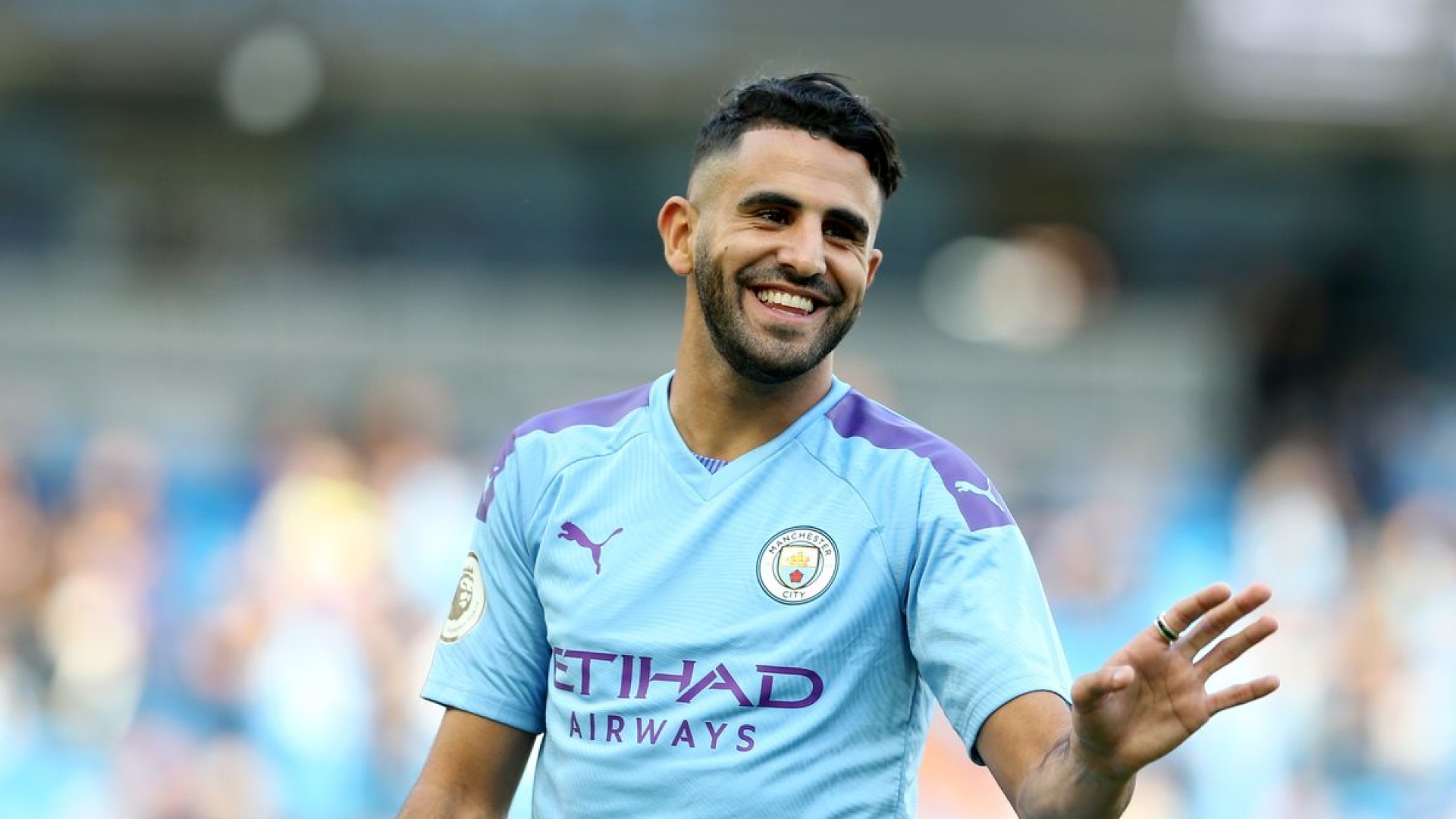
MANCHESTER CITY: WOUNDED CITIZENS
When we take a look at the Manchester City’s previous seasonS gone by, it would not be an overstatement to say that it had been eventful at the least. With their coach having to deal with player injuries, the club had to deal with off the ball issues that included a ban from the Champions League for not adhering to the Financial Fair Play rules. They won their appeal and the ban was lifted but the whole scenario created an air of negativity around the club. All this followed by the suspension of play due to the COVID 19 pandemic and having lost the league title to arch rivals Liverpool there was a sense of paranoia developing in the background.
BACK TO THE DRAWING BOARD
Having dominated the English Premier League for 2 seasons consecutively, it was always going to be difficult to follow up. The Citizen’s recent Achilles heel has been their defense. Without Kompany’s leadership, they looked uneasy at the back and it proved to be their downfall. Pep and his team needed a breath of fresh air. In came Nathan Ake (who has already played his first competitive game against Wolves) and Ruben Dias, both defenders having been recruited for some much needed defensive stability but do they possess the requisite quality to elevate City into Champions League contenders - highly unlikely.
TACTICAL SET UP - PRESSING AND POSSESSION
With Pep Guardiola, it is all about controlled football. The more you have the ball, the better chances you have of doing something with it. So when the opposition has the ball, you press and recover possession. Pep’s philosophy also involves zonal dominance of the football pitch. The team divides the areas around the pitch and the players are given duties of taking center stage in their respective roles. One or two players are given freedom to express themselves but the rest are handed clear instructions to perform both from the attacking and defending aspects.
Pressing is usually done zonally with players pushing to recover the ball as higher up the pitch as possible (as opposed to forcing the opposition to make a mistake or passing error) and then follow it up with the quicker transition. The final product is beautiful to watch. A complete mastery of football in its art form. And the artist none other than the manager himself.
Player wise, De Bruyne looks to have the main responsibility of controlling the tempo and playing the killer ball especially after club Legend David Silva having left but it will be interesting to see if Pep mixes his formula to surprise the opposition (which he does quite often) and allow Bernardo Silva with a more central role.Against Wolves and Leicester, we saw a double pivot (Fernandinho and Rodri) holding for De Bruyne. Both took turns playing in the third center back role while in possession giving the team that extra passing option (a trademark Pep tactic). We can expect something more or less similar as the season moves on.
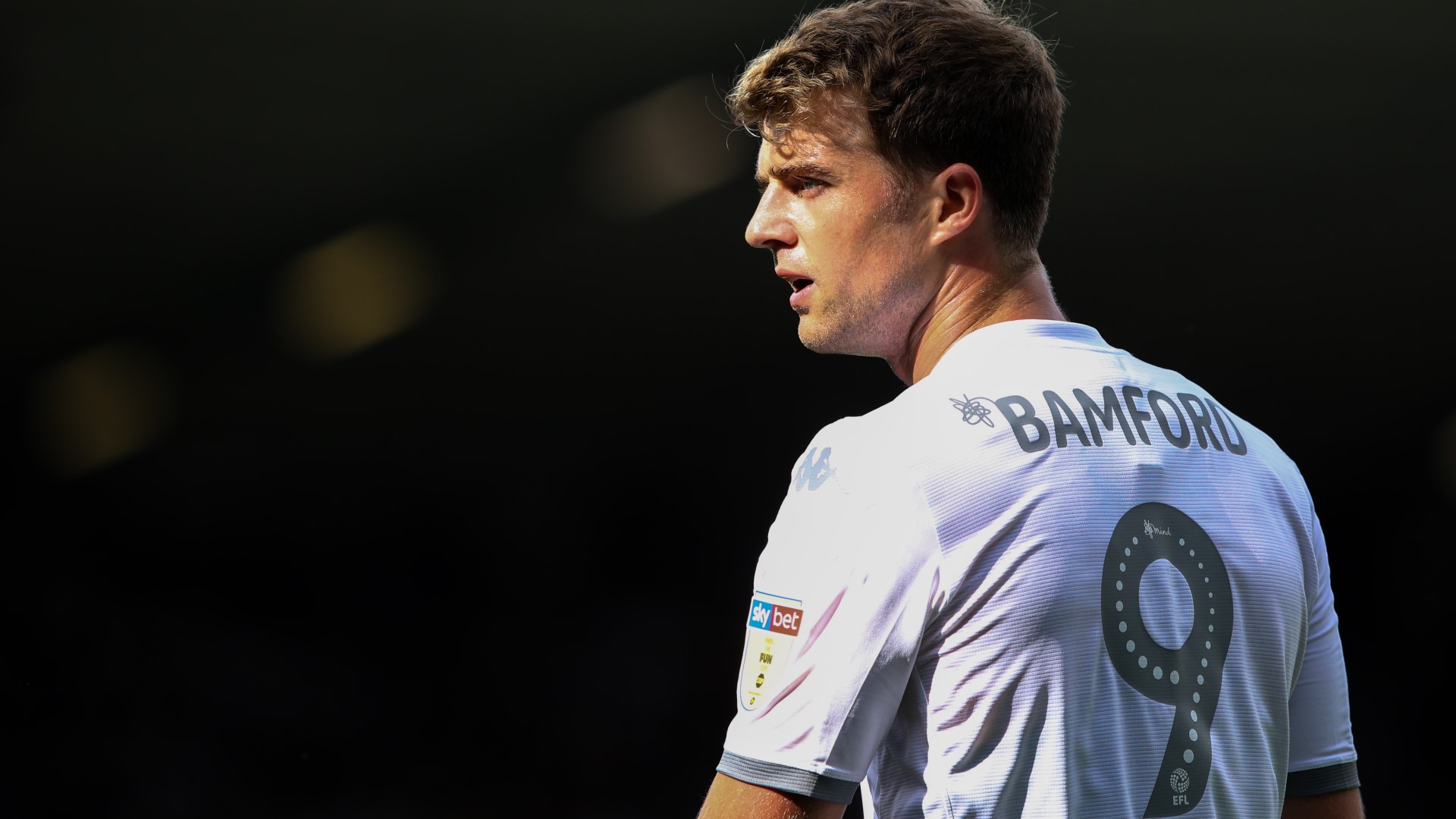
LEEDS UNITED FC: SO FAR SO GOOD
Leeds have been the neutrals favorite team. With 2 wins from 3 matches, their return to top flight has been promising. And with new players coming in, the club looks to be making all the right noises. New additions Robin Koch and Rodrigo look to be settling in game by game and the club is going for more in the market having purchased Diego Llorente (another defender) from La Liga and reports are that will not be their last signing yet. .
TACTICAL SET UP - BOX OFFICE FOOTBALL
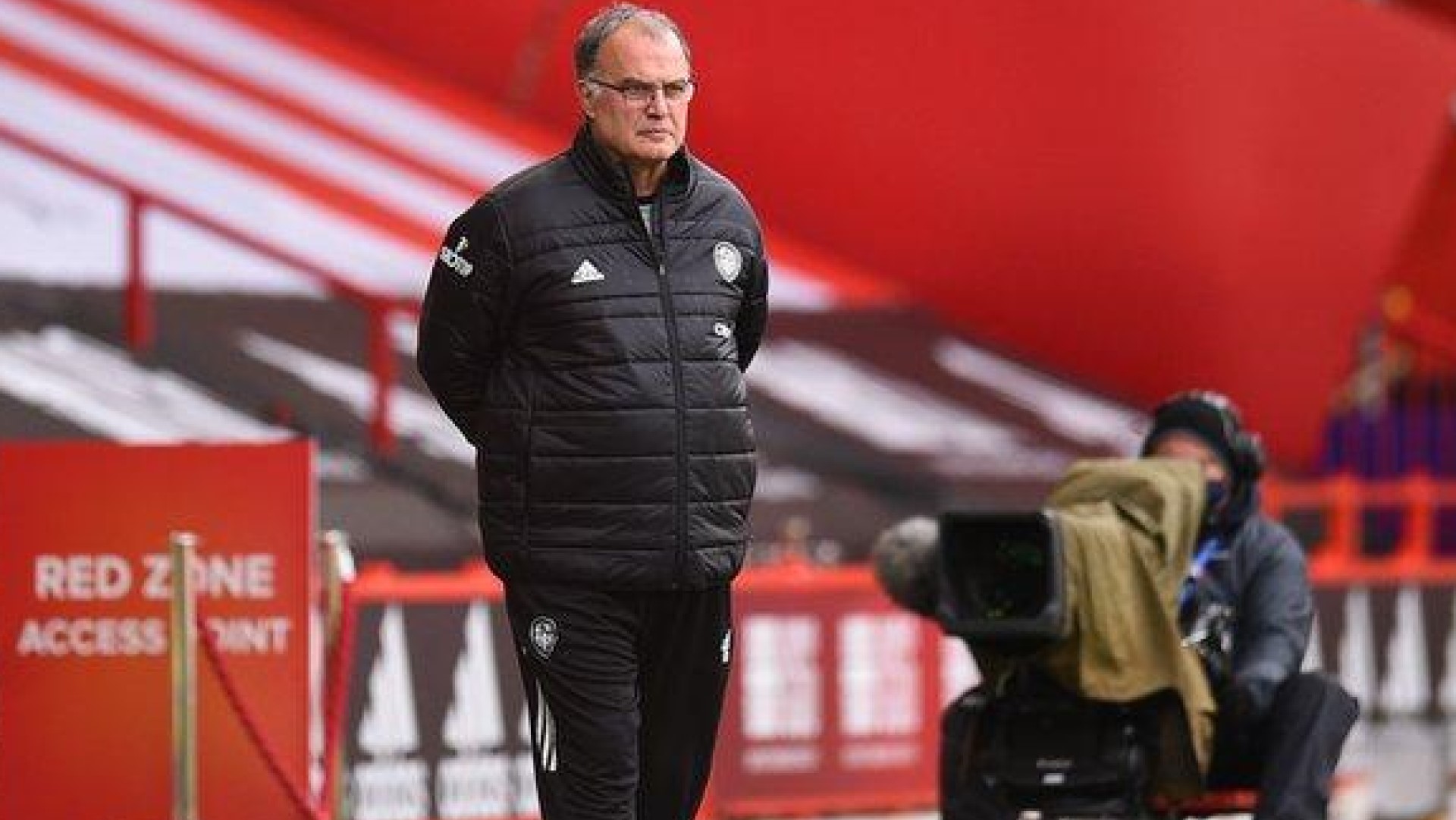
Marcelo Bielsa’s men are relentless. Leeds United have a combined miles covered higher than all their opponents. Their philosophy is clear to see. Run more, play more and score more. And so far they have 2 of their 3 games played. Having a ball player in every department means Bielsa has built a spine that can allow for vertical patterns of movement against the opposition. With Robin Koch, they have a ball playing defender that can pick a pass. Kalvin Phillips is slowly building a reputation as a Quarter back and in attack Pablo Hernandez plays the playmakers role.
Both Jack Harrison and Helder Costa have played starring roles in creating and scoring goals for the club. Ian Poveda made debut appearance off the bench in their derby win against Sheffield United. He will be expected to make a debut start as Jack Harrison will be ineligible to play against his primary club. Bamford will have to be at his best as the target man on top but keep an eye on Rodrigo who is getting better game by game. Bielsa might come up with a surprise on this one.
THE PYTHAGORAS PERSPECTIVE
City seem to be a broken side at the moment and they are facing a side who are full of confidence and can certainly hurt them. The big worry for Bielsa is that this Leeds team is very lightweight at times in defence and can be run ragged against quality players 1 v 1. One can imagine even an off form City side in the mould of Sterling and Mahrez having a field day but City are no great shakes defensively either. Therefore one can only anticipate a goalfest.
Predicted Lineups:
Leeds United: I. Meslier, Liam Cooper, Robin Koch, L. Ayling, S. Dallas, T. Roberts, Kalvin Phillips, M Klich, Helder Costa, Rodrigo M., Bamford. (Formation: 4-1-4-1/3-3-3-1)
Manchester City: E. Moraes, E. Laporte, N. Ake, Kyle Walker, Zinchenko, Rodri, K. De Bruyne, P. Foden, R. Sterling, R. Mahrez, Ferran Torres (Formation: 4-3-3/3-4-3).
Predicted Outcome: A 2-2 draw.

Doctor with a speciality in Public Health, Family Medicine and Medical Administration seeking to finding novel ways to analyse the beautiful game and forecast specific outcomes.


